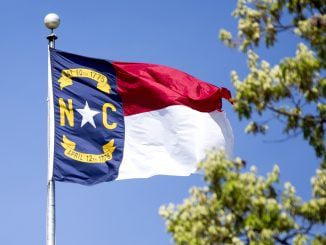
North Carolina has reclaimed the top spot as America’s best state for business, edging out Texas and Florida in CNBC’s 2025 annual ranking and reinforcing the state’s reputation as a leading destination for employers, investment and economic growth. The honor marks the third time in four years that North Carolina has finished No. 1. It narrowly lost the title to neighboring Virginia last year.
The ranking is a point of pride for state leaders and economic developers who routinely cite business climate metrics when courting new employers, corporate expansions and major events. This year’s comeback comes despite lingering concerns about tariffs, natural disasters and broader economic uncertainty. Virginia slipped to fourth place, its lowest standing since 2018, while Texas ranked second and Florida third.
CNBC credited North Carolina’s continued momentum, noting that last year’s runner-up finish did little to slow the flow of new investment. The network pointed to recent announcements from firms such as JetZero and Amazon, as well as financial services expansions in Charlotte. Just this week, Citigroup and AssetMark said they would add hundreds of jobs in the region. Earlier this summer, California-based BuildOps announced plans for a sizable Raleigh office, while Amazon disclosed a multibillion-dollar investment tied to new data centers in eastern North Carolina.
CNBC evaluates all 50 states across 10 weighted categories, awarding up to 2,500 points. North Carolina finished with 1,614 points, bolstered by a strong showing in the economy category, where it placed third behind Florida and Texas. The study cited solid gross domestic product growth and robust job gains over the past year. “While no state is more politically divided than deep purple North Carolina, both parties seem to agree on the importance of keeping business happy,” CNBC’s report noted.
The ranking also highlighted weaknesses. The state placed near the bottom nationally in quality of life, with CNBC pointing to limited worker protections and gaps in antidiscrimination laws. The state’s business climate was described as vulnerable to disasters, trade disruptions and potential fallout from health care policy changes. The economic impact of Hurricane Helene, which struck late in 2024, was not included in the analysis.
Reaction from state leaders was swift. Republican lawmakers, including House Speaker Destin Hall (R-Granite Falls) and Rep. Brenden Jones (R-Columbus), credited GOP-led reforms for the result. Democratic Gov. Josh Stein struck a bipartisan tone, thanking former Gov. Roy Cooper and lawmakers from both parties, saying the state’s people, universities, community colleges and infrastructure continue to help businesses and workers thrive.